The Great Plough Off ...

Updated: Feb 11
Rob Parry, our favourite ecologist, from INCC (Initiative for Nature Conservation Cymru – Speaking out for Nature) and our very own Jess Hill have been busy sowing wildflower seeds over the last week. This is not a spur of the moment activity, it took a little planning, and in the end involved our pigs and cows going head to head in the great Welsh plough off ...

We had one field in mind, Field 11, one of our most nature depleted top fields. That means it is a monotone green with nothing but grass, which is sadly how most school kids now imagine the countryside should look and what they would most likely paint on their farm picture, together with the Friesian cows. We have been trying to change this, taking the nutrient off this field over the last four years by cutting the grass and making hay, which Robert, our fabulous neighbour, takes away and uses to feed his cattle over the winter months. This removes nitrogen from the land, which we do not replace. The lower the nutrient level, the weaker the grass and the stronger the wildflowers (who benefit less from that nutrient). Given wildflower seed is expensive, we really do want to give it the best possible chance against the brute that is rye grass.

We have kept our own Galloway cattle off these fields, as they recycle the nutrient, to a large extent, as they fertilise through their pooh. Some of that nutrient, of course, also fuels our cattle to grow, breed and potentially end up as beef. However, in January we let the Gals into Field 11 so that they would eat off the growth since the field was last mowed, back in August last year, and more importantly to mash the ground up a bit so that there was some bare soil for the wildflower seed to establish itself in. This worked well … a new field at this time of year is always something the cattle relish (they have been chomping around the soft rush most recently, and everyone likes a change). After the snow disappeared, the ground was back to being wet and it did not take long for them to muddy it up.

The pigs clearly felt frustrated that the cows were now doing their job, so decided to demonstrate who was top of the ploughing pyramid by, frankly, making one hell of a mess of a field they were occupying, which is close to the house, at the bottom of the yard. We could not let their hard work go to waste, so, rather than one field we decided to scatter our seed in two, 11 plus 38
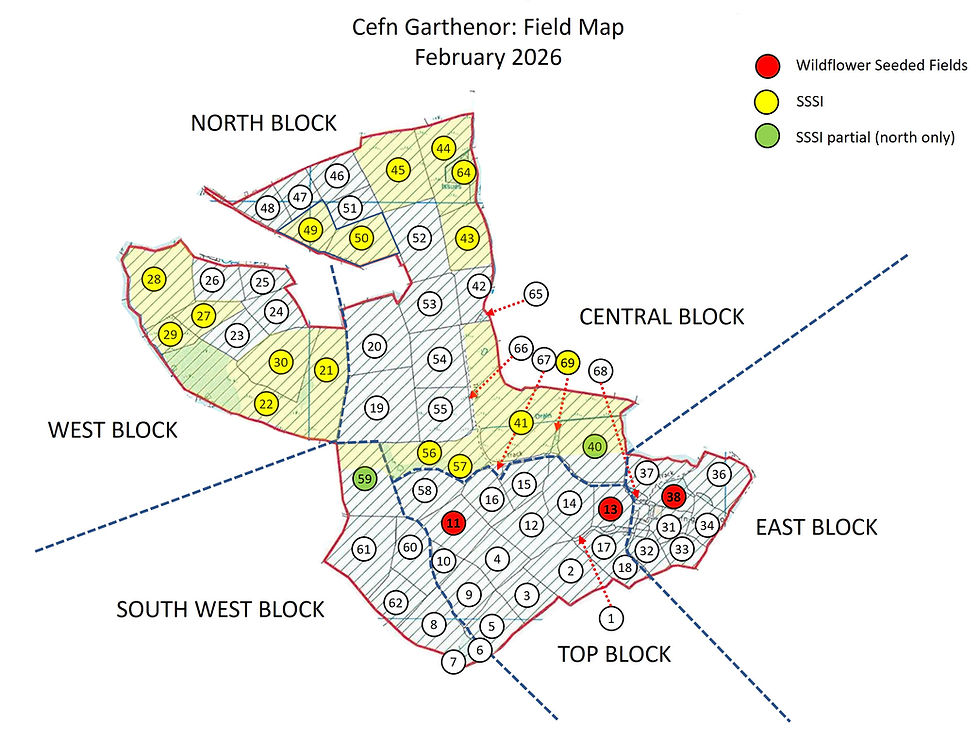
The seed was sourced partly from the Welsh botanic gardens and partly from our own crop of yellow rattle, which we had previously harvested using our own wildflower seed harvester from the very first field (field 13) we had scattered seed on back in December 2021. That was mainly yellow rattle, again originally from the Welsh botanic gardens, which as been a great success. Not only do the wildflowers look beautiful, but of course they attract insects, which feed the birds, etc, etc. All good stuff.
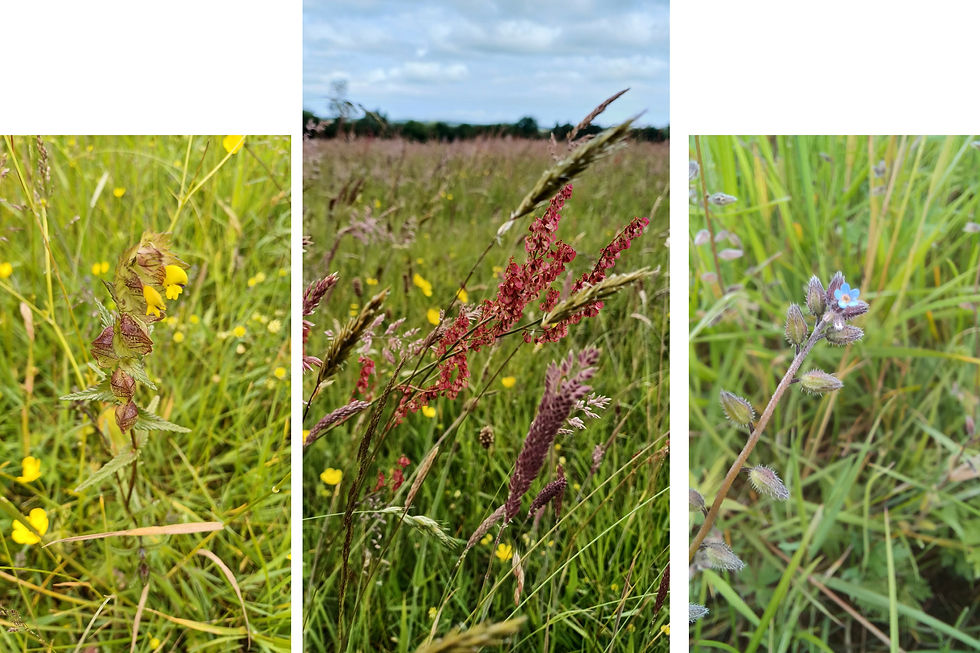
And perhaps, over time, kids might begin to paint wildflower meadows again ... something more colourful for the fridge door.


Comments